In the mid-1970s, Brighton's North Laine faced demolition to make way for a flyover, high-rise buildings and a large car park. Ken Fines, the borough's planning officer from 1974 to 1983, led the campaign to designate the area as a conservation zone, preserving the terraced streets that now form the heart of the city's bohemian quarter.
The Threat of 1970s Redevelopment
By 1974, North Laine had become a target for the kind of urban renewal projects that had already reshaped cities across Britain. Proposals included a flyover cutting through the neighbourhood, new tower blocks and extensive car parking. Parts of the area were earmarked for demolition.
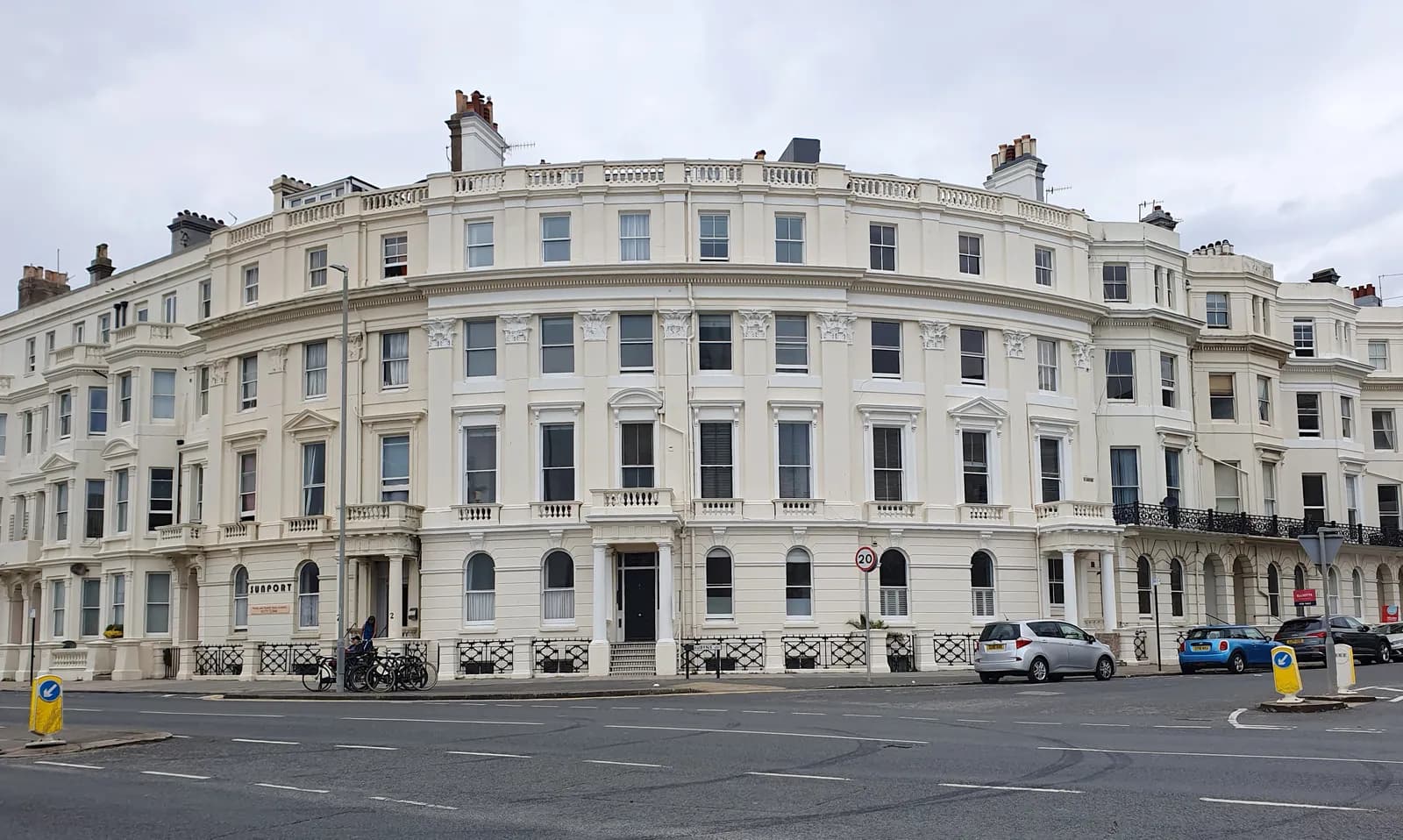
The district had developed during Brighton's Victorian expansion after the railway arrived in 1840. Its streets contained late Regency to early Victorian terraced housing dating from the 1820s to 1840s, much of it originally built for railway workers. Yet critics at the time dismissed the architecture as unremarkable. A 1977 article in The Argus labelled the area "tatty" and questioned whether it merited preservation. The reporter later noted he had "not been allowed to forget" the piece. Councillor Blackman warned in 1976 that conservation status could leave the area "embalmed."
Fines took a different view. In his May 1997 memoir, he described North Laine as "the epitome of what has been termed the rich texture of metropolitan life; so often neglected in urban planning." He identified the pedestrian shopping street of Kensington Gardens as the hub of an area with "a distinctive, intimate character derived from its lively admixture of terraced houses, small shops, workshops and street market."
The Fight for Conservation Status
Fines began his campaign by recommending that the draft Greater Brighton Structure Plan be adopted as an interim measure for development control. In 1976, he carried out a review of conservation areas across the city.
His recommendation was ambitious. Fines argued that Brighton's "second phase of growth in Victorian times after the coming of the railways in 1840 should be recognised," involving the designation of extensive new conservation zones. The council approved the proposals, and the North Laine Conservation Area was formally designated in 1977.
The initial boundary covered the area between Queen's Road, North Road, Gloucester Place, St George's Place and Trafalgar Street, including Gardner Street and Bond Street. The designation was extended in 1989 to include North Place.
Reviving a Historic Name
Fines did more than secure the area's buildings. He gave the district its identity by proposing the name "North Laine," reviving an Anglo-Saxon legal term for a type of land holding that referred to the historic field system predating Brighton's urban expansion. The name connected the modern neighbourhood to its medieval agricultural past.
The Birth of a Community
The conservation area designation quickly galvanised local residents. The North Laine Community Association formed in 1976, the year before formal designation, and remains a registered charity run by volunteers today.
Fines later reflected on the transformation. "It is good to see how such an area can thrive once it is given an accolade of recognition and confidence," he wrote. His efforts are commemorated by a plaque on the Infinity Foods Workers Co-operative shop on North Road and a tree planted in his name in Sydney Street.
From Tatty Streets to Bohemian Quarter
The conservation area designation reversed the trajectory of an area that Fines noted had been at risk from the modernist planning approaches of the 1960s, which he said had "ruined the character of so many cities."
Today, North Laine stands as Brighton's bohemian and cultural quarter. The district contains the Komedia comedy venue, housed in a former Tesco supermarket. The first branch of Anita Roddick's Body Shop opened at 22 Kensington Gardens. Upper Gardner Street hosts a Saturday market. The area is home to numerous independent pubs, cafes, restaurants, theatres, a museum and an art gallery.
Ken Fines died in 2008, but the streets he saved continue to define Brighton's alternative character.